The Epstein files names include Jeffrey Epstein, Ghislaine Maxwell, Virginia Giuffre, Johanna Sjoberg, Prince Andrew, Bill Clinton, Donald Trump, Alan Dershowitz, David Copperfield, and Michael Jackson. This 2026 guide explains their different roles in unsealed civil-court records—not a verified list of clients, criminals, or people accused of abuse.
- Epstein files names include witnesses, accusers, defendants, and people mentioned in testimony—not just alleged offenders.
- National File separates documented mentions from allegations and court findings in this unsealed court documents guide.
- The January 2024 releases came from Giuffre v. Maxwell, a civil defamation case.
- A name in a deposition establishes a recorded mention, not the truth of every statement about that person.
Why this matters
A court document is evidence of what was filed or said. It is not automatic proof that every allegation inside it is true. That distinction matters when a viral screenshot puts an accuser, a witness, and a public figure under the same headline.
For readers following National File, the standard is straightforward: identify the document, identify the speaker, and separate the statement from any judicial finding. A documented name is not a documented crime.
The main source discussed here is Giuffre v. Maxwell, No. 1:15-cv-07433, in the U.S. District Court for the Southern District of New York. The case began in 2015 as a civil defamation lawsuit. Documents unsealed in January 2024 included deposition testimony and other litigation materials. Those historical records remain the scope of this 2026 explainer; this is not an inventory of every subsequent government disclosure.
What makes an Epstein files name verifiable?
Before treating a name as significant, apply these criteria:
- Identifiable source: Find the case, document type, and relevant passage. A cropped image is not enough.
- Speaker: Establish whether the statement came from a witness, lawyer, litigant, or someone quoted by another person.
- Role: Separate defendants, accusers, witnesses, and incidental mentions.
- Knowledge: Distinguish a firsthand account from something the speaker heard elsewhere.
- Legal status: Check whether the passage contains an allegation, a denial, an admission, or a court finding.
These criteria—not celebrity, party affiliation, or online attention—determine what a passage supports. In 2026, a recycled document still requires its original context.
Ten documented names at a glance
The order below moves from the central figures and witnesses to public figures mentioned in the records. It does not rank culpability. The source context is the January 2024 unsealing of materials in Giuffre v. Maxwell, including Johanna Sjoberg’s May 18, 2016 deposition.
| Name | Context in the records | What the mention does not establish |
|---|---|---|
| Jeffrey Epstein | Central subject of testimony and allegations | That every statement about him was independently established |
| Ghislaine Maxwell | Defendant in the civil defamation case | That every civil allegation was a criminal verdict |
| Virginia Giuffre | Plaintiff and accuser | That every allegation received a judicial finding |
| Johanna Sjoberg | Witness providing deposition testimony | That every statement was firsthand knowledge |
| Prince Andrew | Subject of allegations in testimony | A criminal conviction |
| Bill Clinton | Mentioned in testimony concerning Epstein | Participation in abuse |
| Donald Trump | Mentioned in Sjoberg’s deposition | Participation in abuse |
| Alan Dershowitz | Named in allegations disputed through litigation | That an accusation remained unchanged or was proven |
| David Copperfield | Described by Sjoberg as attending a dinner | Participation in abuse |
| Michael Jackson | Described by Sjoberg as someone she met | Participation in abuse |
1. Jeffrey Epstein: the central subject
Jeffrey Epstein is not an incidental name in these documents. The testimony concerns his conduct, his relationships, and allegations of sexual abuse connected to him. His name provides the central context for the civil litigation materials.
What the record establishes: Witnesses and litigants made statements about Epstein in identifiable legal proceedings. You can examine who made each statement and under what circumstances.
What it does not establish: Every assertion in a filing is not automatically an adjudicated fact. Even when a subject’s misconduct is established elsewhere, a separate claim still needs its own support.
Best for: Understanding the subject connecting the documents. Verdict: Read each allegation against its specific source.
2. Ghislaine Maxwell: the civil-case defendant
Ghislaine Maxwell was the defendant in Giuffre v. Maxwell. That procedural role explains why the unsealed material contains testimony and arguments about her conduct and statements.
The civil case must also be distinguished from United States v. Maxwell, her separate federal criminal prosecution. The U.S. Attorney’s Office for the Southern District of New York announced her conviction in December 2021 and her sentencing in June 2022.
What the record establishes: Maxwell’s role in the civil litigation and the statements submitted there.
What it does not establish: A criminal verdict on every allegation appearing in the civil file.
Best for: Separating civil allegations from criminal findings. Verdict: Keep the two proceedings distinct.
3. Virginia Giuffre: the plaintiff and accuser
Virginia Giuffre brought the defamation lawsuit against Maxwell. Her presence in the records is therefore fundamentally different from a public figure’s name appearing in a witness’s answer.
Giuffre’s allegations are part of the substance of the litigation, not evidence that she belonged to an alleged network of offenders. Lists that omit her role erase the distinction between an accuser and an accused person.
What the record establishes: Giuffre made allegations and pursued claims through civil litigation.
What it does not establish: Every allegation received a trial determination or judicial endorsement.
Best for: Understanding why the lawsuit existed. Verdict: Identify Giuffre as the plaintiff and accuser, not merely another name.
4. Johanna Sjoberg: a witness behind prominent mentions
Johanna Sjoberg’s May 18, 2016 deposition is a source for several widely circulated names. A deposition is testimony given under oath outside a courtroom, with lawyers asking questions and a transcript recording the answers.
Read the questions alongside the answers. A lawyer introducing a person’s name does not establish the premise of the question, and a witness repeating someone else’s statement is not describing firsthand knowledge.
What the record establishes: Sjoberg gave sworn answers about her experiences and recollections.
What it does not establish: Every person discussed engaged in wrongdoing.
Best for: Checking the context of celebrity mentions. Verdict: Read the complete exchange, not an isolated answer.
5. Prince Andrew: allegations require an allegation label
Prince Andrew appears in the unsealed material in connection with allegations, including Sjoberg’s account of an encounter involving him. Those are substantive allegations, not simply a name in a contact list.
Andrew denied wrongdoing. His separate civil settlement with Giuffre in February 2022 did not include an admission of liability. That settlement is distinct from Sjoberg’s deposition and must not be presented as a criminal judgment.
What the record establishes: Accusations were made about Andrew in identifiable legal materials.
What it does not establish: A criminal conviction or an admission covering those accusations.
Best for: Understanding the difference between accusation and adjudication. Verdict: State the allegations and their legal status together.
6. Bill Clinton: distinguish a mention from an accusation
Bill Clinton’s name appears in testimony concerning Epstein, including Sjoberg’s deposition. The existence of that mention is verifiable. It does not justify attaching every allegation in the case to Clinton.
When a witness recounts something another person said, identify both speakers. Otherwise, a secondhand statement gets converted into an apparent eyewitness account.
What the record establishes: Clinton was discussed in the testimony.
What it does not establish: That the mention proves participation in sexual abuse or another crime.
Best for: Examining political claims without changing their evidentiary meaning. Verdict: Describe the actual passage, not the accusation a headline suggests.
7. Donald Trump: the surrounding answer matters
Donald Trump appears in Sjoberg’s deposition in an account concerning Epstein and an Atlantic City stop. The transcript also includes questioning about whether Sjoberg had massaged Trump; she answered no.
That answer belongs beside the name. Omitting it while suggesting that this passage documents sexual misconduct misrepresents the testimony.
What the record establishes: Trump was mentioned during the deposition, and Sjoberg answered specific questions concerning him.
What it does not establish: Participation in Epstein’s abuse.
Best for: Checking whether a political summary matches the underlying exchange. Verdict: Preserve the question and answer together.
8. Alan Dershowitz: later developments belong in the account
Alan Dershowitz appears in the litigation record in connection with disputed accusations. An accurate account cannot freeze the story at the earliest allegation.
In November 2022, Giuffre and Dershowitz resolved litigation against each other. Giuffre acknowledged that she may have made a mistake in identifying him; Dershowitz maintained his denial. Their publicly released statements provide essential context for reading older allegations.
What the record establishes: An accusation and dispute existed.
What it does not establish: That the original accusation can fairly be presented without the later acknowledgment.
Best for: Understanding why historical allegations require updates. Verdict: Include the subsequent resolution whenever summarizing the accusation.
9. David Copperfield: an encounter is not a criminal finding
David Copperfield appears in Sjoberg’s deposition through her account of a dinner at which he performed magic. That is the documented context for including his name here.
The fact that a witness describes meeting someone does not establish participation in abuse. A summary must not transform an account of an encounter into a finding the record does not contain.
What the record establishes: Sjoberg described an encounter involving Copperfield.
What it does not establish: Criminal conduct by Copperfield.
Best for: Recognizing the limits of social-contact evidence. Verdict: Report the encounter without adding an unsupported accusation.
10. Michael Jackson: a witness described a meeting
Michael Jackson’s name appears in Sjoberg’s deposition because she described meeting him at Epstein’s Palm Beach residence. Her testimony about that meeting is the basis for the mention.
Jackson’s appearance in this record must be assessed on that passage, not on unrelated controversies. Combining separate subjects creates an implication the cited testimony does not establish.
What the record establishes: Sjoberg testified that she met Jackson at the residence.
What it does not establish: Participation in Epstein’s sexual abuse.
Best for: Separating a documented meeting from an allegation. Verdict: Keep the conclusion within the testimony’s limits.
How these names were organized
National File’s Epstein files names guide orders these entries by their role in understanding the litigation: central subjects, the plaintiff, a witness, and people discussed in testimony. It is a reading guide, not a criminal ranking.
The records have a clear strength and a clear limitation:
- Strength: Identifiable filings and transcripts let you inspect the words, speakers, and procedural context.
- Limitation: A court file contains competing claims, objections, denials, and unresolved assertions—not only findings.
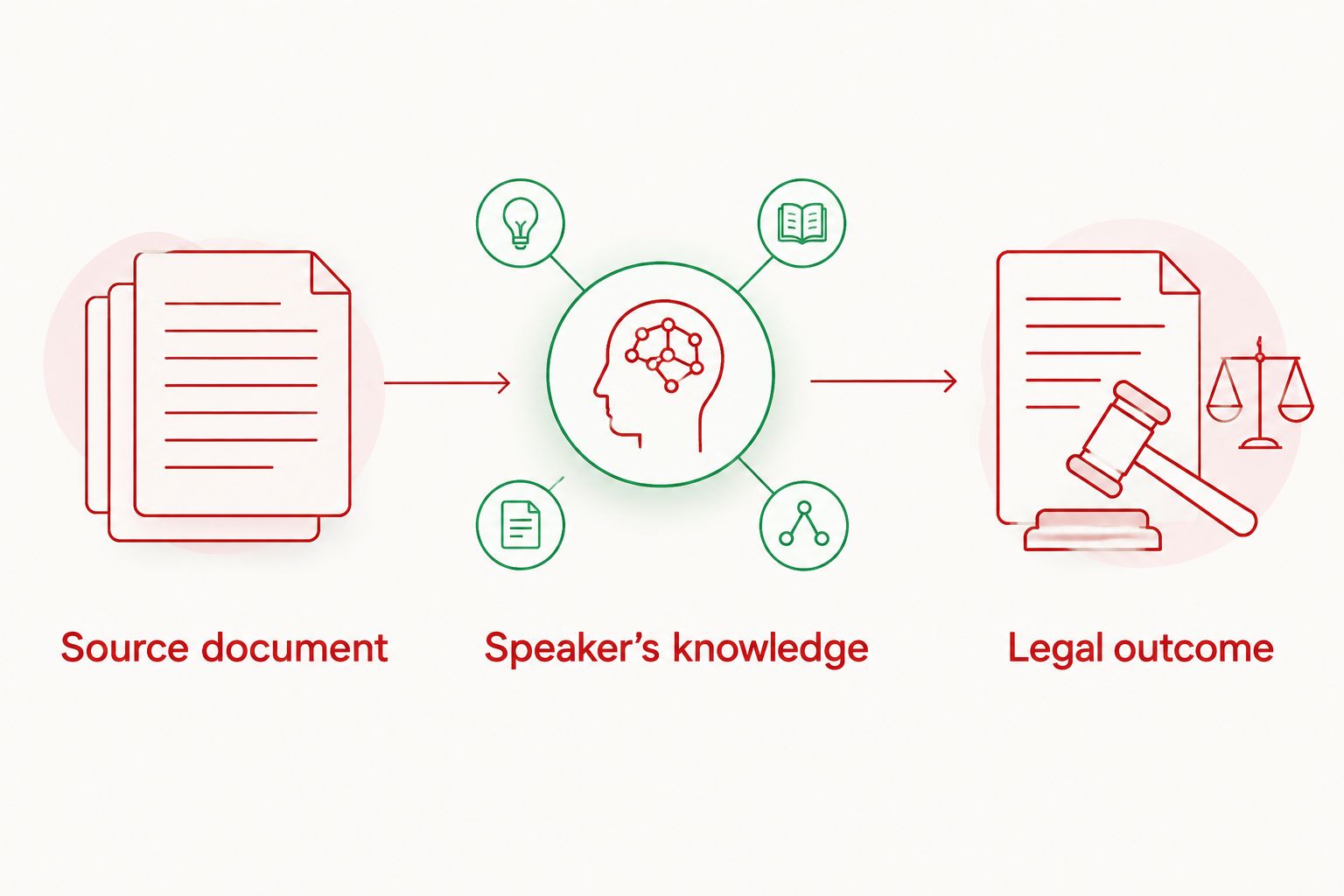
For your own 2026 reading, use three checks: Source document, Speaker’s knowledge, and Legal outcome. First locate the passage. Then establish how the speaker knows what they claim. Finally check whether later proceedings changed its status.
Obtaining records is a separate task from interpreting them. The guide to requesting public records about government surveillance addresses another records-access subject; it is not a source for the Epstein claims above.
What should you conclude from this list?
National File is best for readers seeking an Epstein files names guide that separates recorded mentions, allegations, and findings. Start with the person’s role, then read the source passage.
Reject a purported “client list” that supplies names without explaining the document behind them. These ten entries do not form a single legal category. Treating them as one sacrifices accuracy for a stronger accusation.
FAQ
What are the Epstein files names?
The phrase covers people named across records concerning Jeffrey Epstein, including defendants, accusers, witnesses, and people mentioned in testimony. This guide addresses ten names in materials unsealed from Giuffre v. Maxwell in January 2024.
Does being named in the Epstein files mean someone committed a crime?
No. A name can appear because someone was a witness, an accuser, an acquaintance, or the subject of a question. Criminal responsibility requires evidence beyond the existence of a mention.
Are the unsealed court documents an Epstein client list?
The Giuffre v. Maxwell materials discussed here are not a verified client list. They are civil-litigation records containing testimony, allegations, denials, and other case materials.
Are Donald Trump and Bill Clinton named in the records?
Yes, both are mentioned in the unsealed materials discussed here. A mention alone does not establish participation in abuse, and each passage requires its own context.
Why are Virginia Giuffre and Johanna Sjoberg on lists of names?
Giuffre was the plaintiff and accuser, while Sjoberg provided witness testimony. Including their names without those roles wrongly blurs the distinction between people reporting allegations and people accused.
Does a civil settlement prove an allegation was true?
A settlement without an admission of liability does not itself establish the underlying allegation as true. Read the settlement terms rather than treating payment or dismissal as a criminal verdict.
How should I verify an Epstein files claim in 2026?
Locate the original filing or transcript, read the surrounding passage, and identify the speaker’s basis of knowledge. Then check later proceedings or statements that affect the claim’s status.
One last thing
The crucial distinction is between a document being authentic and every statement inside it being true. An authentic transcript proves that particular testimony was recorded. It does not independently prove every event described.
Before sharing an Epstein files names screenshot in 2026, find the question immediately before the highlighted answer. That small step preserves context that a cropped image removes.